

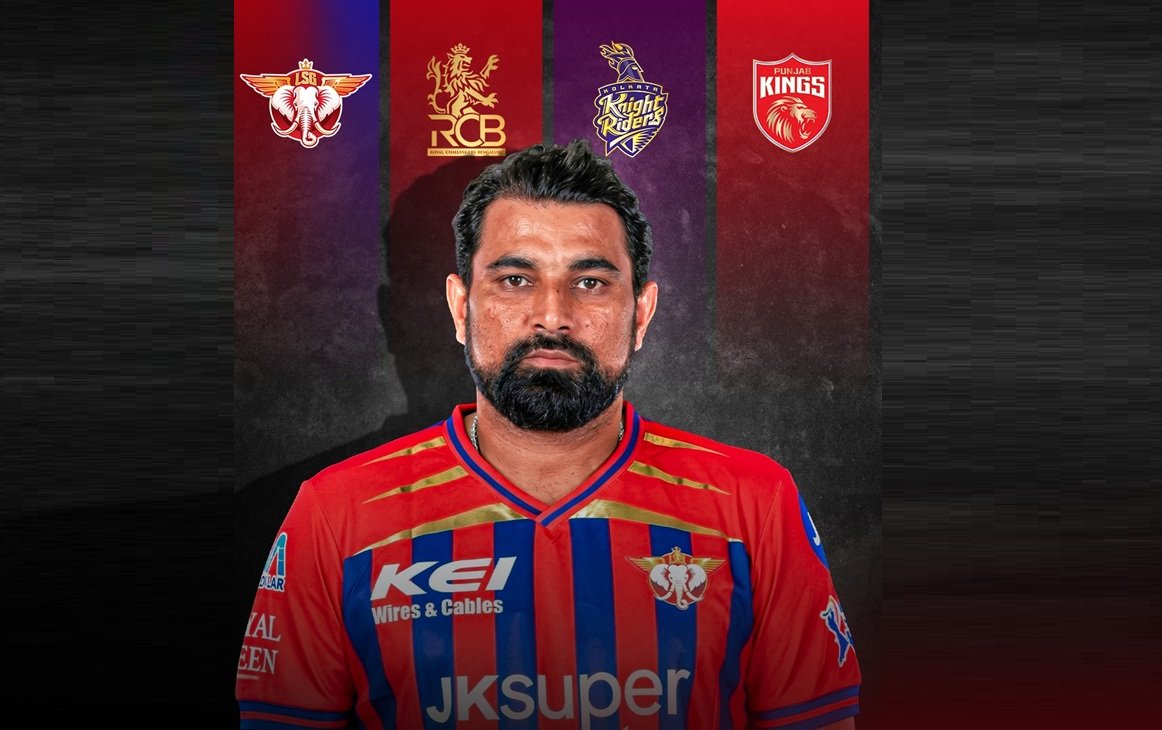
Franchise cricket has emerged as a revolutionary format in the realm of professional sports. It has transformed the game into a global spectacle, garnering immense popularity and commercial success. Unlike traditional cricket formats, franchise cricket focuses on team ownership by private entities, which allows for a mix of international and domestic players. This has made the sport more inclusive and competitive. Here’s a look at fans’ favorite Indian cricket player.
The advent of franchise cricket, particularly with leagues like the Indian Premier League (IPL), Big Bash League (BBL), and Caribbean Premier League (CPL), has marked a significant shift in how the game is played and perceived. These leagues have created a platform where talents from around the world can showcase their skills, leading to a dynamic and entertaining form of cricket that appeals to a broad audience.
The Evolution of Franchise Cricket
The roots of franchise cricket can be traced back to the early 2000s, with the concept gaining momentum through the establishment of the IPL in 2008. The IPL’s success set a precedent, encouraging other countries to develop their own franchise-based leagues. This evolution has been characterised by an increasing focus on entertainment, commercial partnerships, and global reach.
Initially, franchise cricket was met with scepticism, as purists believed it undermined the traditional values of the game. However, its ability to attract new fans and generate substantial revenue quickly silenced critics. The format’s evolution has seen innovations such as player auctions, team branding, and strategic partnerships with media outlets, making it a lucrative venture for stakeholders.
Moreover, franchise cricket has expanded beyond the boundaries of cricketing nations. Leagues in non-traditional cricketing regions, such as the United States and the Middle East, are gaining traction, indicating the sport’s growing global appeal. This evolution signifies a shift towards a more inclusive and diverse cricketing landscape.
The Impact of Franchise Cricket on Player Loyalty
One of the most debated aspects of franchise cricket is its impact on player loyalty. Traditionally, cricketers have been associated with their national teams, but the rise of franchise leagues has introduced a new dynamic. Players now often prioritise franchise commitments due to lucrative contracts and global exposure.
Franchise cricket provides players with substantial financial incentives, which can sometimes outweigh the prestige of representing one’s country. This shift in priorities has led to instances where players opt out of international tours to fulfil franchise obligations. As a result, questions arise about the implications of such decisions on national team performance and cohesion.
Despite these challenges, many players have managed to balance their commitments, demonstrating loyalty to both franchises and national teams. The key lies in creating a harmonious relationship between national boards and franchise teams, ensuring that players can excel in both arenas without compromising their integrity or performance.
National Pride and Franchise Cricket: A Complex Relationship
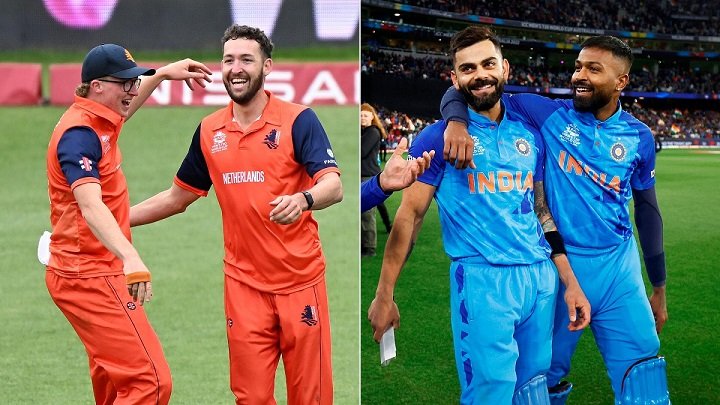
The relationship between national pride and franchise cricket is complex and multifaceted. On one hand, franchise cricket has provided players with opportunities to refine their skills against top-tier talents from around the world. This exposure has, in many cases, enhanced national team performances, as players bring back valuable experience and insights.
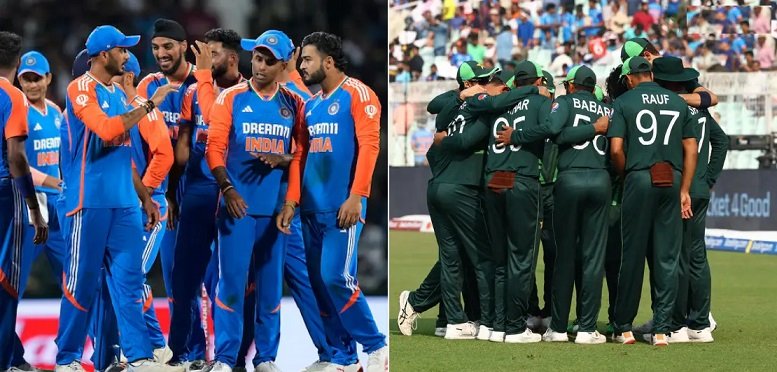
However, the increasing prominence of franchise cricket has also sparked debates about the dilution of national pride. Critics argue that players’ primary allegiance should be to their country, and the rise of franchises poses a threat to this traditional notion. This is particularly evident when scheduling conflicts arise, forcing players to choose between national duty and franchise commitments.
To navigate this complexity, many cricket boards have introduced policies that prioritize international cricket over franchise commitments during overlapping periods. This approach aims to strike a balance, allowing players to participate in both formats while maintaining national pride as a core value.
Key Differences Between Franchise Cricket and Traditional Formats
Franchise cricket and traditional formats differ significantly in terms of structure, objectives, and appeal. Understanding these differences is crucial to appreciating the unique contributions each format makes to the sport.
- Structure and Ownership:
Traditional cricket is governed by national boards, while franchise cricket involves private ownership and management. This difference in governance impacts everything from team composition to financial management.
- Objectives:
Traditional cricket formats, such as Test matches and One Day Internationals (ODIs), focus on national representation and long-term team building. Franchise cricket, on the other hand, prioritises entertainment, commercial success, and quick results.
- Appeal and Audience:
Franchise cricket is designed to attract a global audience through shorter, more engaging formats like Twenty20 (T20). Traditional formats appeal more to purists who appreciate the technical and strategic nuances of the game.
These differences highlight the complementary nature of franchise and traditional cricket, each contributing to the sport’s overall growth and diversification.
Conclusion
Franchise cricket has ushered in a new era of player loyalty and national pride. While it presents challenges in balancing franchise commitments with national duties, it also offers opportunities for growth and innovation in the sport. By embracing technological advancements, economic opportunities, and fan engagement strategies, franchise cricket can continue to evolve and thrive.
The future of franchise cricket lies in its ability to adapt to changing landscapes while preserving the essence of the game. As the format expands globally, it will play a crucial role in shaping the identities and aspirations of players, teams, and fans alike.


Leave a Reply