
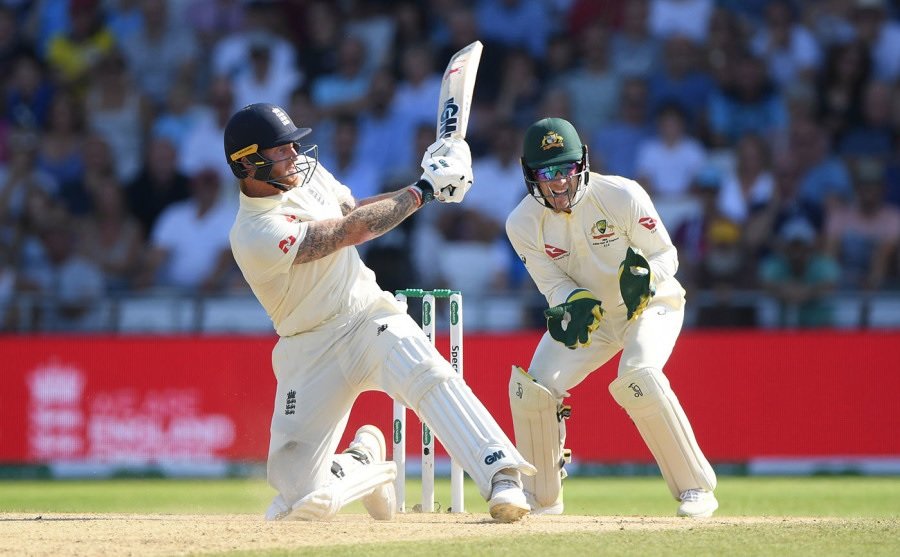

Cricket has a strange habit of making a comfortable match feel nervous in the space of six balls. A batting side can be cruising, the required rate looks manageable, and then one over produces a wicket, two dot balls and a mistimed shot that barely clears the field. Suddenly the same chase has a very different feel. That is part of what makes cricket interesting from a betting point of view. Football can sit at 0-0 for an hour without changing very much. Cricket keeps handing the match small turning points, and they arrive constantly. A new bowler comes on, a batter reaches the crease, the field changes and another six balls begin.
Overs give the match its own little chapters
In T20 cricket especially, every over has a job. The powerplay looks nothing like the middle overs, and the final four or five overs can become almost a separate contest. A batter who looked comfortable against pace might suddenly have to deal with spin from both ends. A bowler who was expensive earlier can return at the death with a completely different field behind him. One wicket can bring in a player who needs several balls to settle at exactly the wrong time. This is where checking the Betway app during a match can be more interesting than simply looking at the pre-match winner market. Live prices have to keep adjusting to what is actually happening: runs already scored, wickets left, balls remaining and which players are still available.The important part is that cricket gives you time to notice those changes.
A score does not mean much without the overs
A team on 90 runs can be in a brilliant position or a terrible one. If it is 90 for one after eight overs, the batting side probably feels very comfortable. If it is 90 for six after fifteen, the whole innings looks different even though the run total is identical. That sounds obvious to anyone who follows cricket, but it explains why the sport cannot be read from one number. Wickets matter. The required rate matters. So does who is actually batting. A recognised finisher arriving with five overs left is a very different situation from a lower-order batter walking in at the same point. The scoreboard may show the same target, but the match around it has changed.
Bowlers can move the market just as quickly
Batters get most of the attention in short-format cricket, but one good bowling spell can do more damage than a quick thirty runs. A spinner finding grip where nobody expected it can slow the whole innings down. A fast bowler suddenly getting reverse swing can make a chase much harder than it looked ten minutes earlier. Even a bowler who simply strings together dot balls can increase the pressure enough for the wicket to arrive from the other end. This is why cricket betting rewards people who know the game rather than simply following the score. The number on the screen shows where the match is. Watching tells you why it got there.
Six balls can be enough
The appeal of following cricket through a betting app is not that every over needs another bet. It is that the match keeps producing new information in very clear pieces. One over can change the required rate. Another can remove the best batter. The next one can disappear for eighteen runs and make all the previous pressure look irrelevant. That constant movement is very cricket. And it is why a match that looked settled ten minutes ago may be the one everybody is watching again.