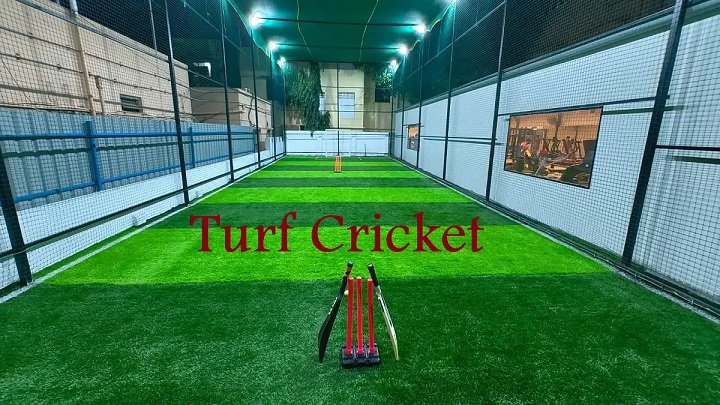

Turf Cricket
Cricket has developed unexpectedly within the remaining decade, specially with the upward push of turf cricket facilities throughout India and around the sector. Unlike conventional matting or cement pitches, turf cricket offers gamers a extra practical worldwide-stage gambling enjoy. As a result, turf cricket grounds are now the go-to preference for cricketers, coaches, academies, and clubs.
In this in-depth blog put up, you will research the entirety approximately turf cricket near me, which includes
Let’s begin.
What Is Turf Cricket?
Turf cricket refers to cricket played on a herbal grass surface (turf wicket). These wickets are organized from clay, soil, grass, and natural substances to offer leap, speed, and flip similar to professional stadium pitches.
Turf crickets is famous amongst:
- Cricket academies
- Professional schooling centers
- State and district cricket groups
- Local and country wide tournaments
- Indoor turf cricket corporations
- Casual gamers searching out top class facilities
Turf wickets replicate the situations seen in matches at stadiums like:
- Wankhede Stadium
- M. Chinnaswamy Stadium
- Eden Gardens
- Lord’s Cricket Ground
This is why turf cricket is taken into consideration the most genuine and tough version of the sport.
Why Turf Cricket Is So Popular Today
Turf cricket has grown massively way to:
1. Rise of franchise cricket (IPL, BBL, PSL)
Teams now demand players who can play on natural wickets.
2. Better education situations
Young gamers can examine seam, swing, spin, and soar styles.
3. Enhanced participant safety
Grass cushions the effect and reduces accidents.
4. More tournaments the use of turf facilities
Many districts and golf equipment now host turf-based tournaments.
5. Technology-driven turf grounds
Use of sprinklers, rollers, pitch covers, hybrid grass, and soil checking out.
Because of those elements, turf cricket is becoming the standard for education and aggressive matches.
Turf Cricket vs Matting Cricket vs Cement Cricket
| Feature | Turf Cricket | Matting Cricket | Cement Cricket |
|---|---|---|---|
| Surface | Natural grass | Coir mat on soil | Concrete |
| Bounce | Natural, varying | Consistent high | Very high |
| Safety | High | Medium | Low |
| Spin Support | High | Medium | Very low |
| Pace Support | High | Medium | Very high |
| Suitable For | Professionals | Semi-pros | Beginners |
| Maintenance | High | Low | Very low |
| Cost | High | Medium | Low |
Types of Turf Cricket Pitches
Turf wickets are not all the equal. They are available several types relying on soil composition and moisture tiers.
1. Hard Turf Wicket
- Made with excessive clay content
- Fast and bouncy
- Suits pace bowlers
2. Soft Turf Wicket
- More grass
- Slow pace
- More spin-pleasant
3. Dry Turf Wicket
- Cracks appear
- Helps spinners
- Common in summer
4. Green Top Turf Wicket
- Thick grass
- Seam movement
- Ideal for immediate bowlers
5. Hybrid Turf Wicket
- Combination of synthetic fibre + herbal grass
- Expensive however lengthy-lasting
Read More: Best Cricket Nets Near Me| Find Local Cricket Practice Nets
How a Turf Cricket Pitch Is Made (Step-by means of-Step)
Building a turf cricket pitch takes months of practise. Here is the entire system:
Step 1: Soil Selection
High-excellent black clay or purple soil is chosen.
Step 2: Ground Leveling
Laser leveling ensures no bumps or uneven areas.
Step 3: Grass Laying
Bermuda or lush sports grass is planted.
Step 4: Rolling
Heavy rollers compress the soil to growth leap.
Step 5: Watering and Drainage Setup
Controlled watering maintains the pitch moist.
Step 6: Pitch Cutting
Grass is cut to six–12 mm for widespread turf wickets.
Step 7: Match Prep
Pitch is covered and rolled for 48–72 hours.
Benefits of Playing Cricket on Turf Wickets
Players decide upon turf cricket for numerous motives:
✔ More practical match enjoy
This helps players prepare for professional tournaments.
✔ Better jump and pace
Fast bowlers advantage the maximum.
✔ Improved batting technique
Batsmen learn how to judge swing and seam.
✔ Better spin assist
Turf helps spinners extract turn and flow.
✔ Reduced injury danger
Grass absorbs shock and decreases joint pressure.
✔ Increases player stamina and adaptableness
Conditions change at some stage in the day.
Turf Cricket Ground Dimensions (Standard Measurements)
| Area | Measurement |
|---|---|
| Pitch Length | 22 yards (20.12 m) |
| Pitch Width | 10 ft |
| Boundary (Men) | 65–75 meters |
| Boundary (Women) | 55–65 meters |
| Run-up Area | 20–30 m |
| Turf Thickness | 30–80 mm |
| Grass Height (Match Day) | 6–12 mm |
These dimensions fit ICC tips.
Turf Cricket Rules You Should Know
Turf cricket follows general cricket laws but with turf-based totally care:
1. No metal spikes allowed
Only rubber or multi-stud shoes permitted on many turf grounds.
2. No diving on the pitch
To prevent grass damage.
3. Bowlers have to keep away from immoderate foot touchdown
Landing again and again inside the equal spot damages smooth turf.
4. Heavy rain rules
Covers are used; play resumes after drying.
5. Only curators can repair the pitch
Players can’t touch or regulate the wicket.
Equipment Needed for Turf Cricket
Unlike cement or matting cricket, turf cricket needs proper tools.
1. Shoes for Turf Cricket
- Rubber studs
- Multi-stud artificial shoes
- No steel spikes in exercise periods
2. Bats for Turf Cricket
English willow recommended because turf wickets leap more certainly.
3. Protective gear
- Helmet
- Pads
- Gloves
- Chest shield
- Thigh guard
4. Balls
- Leather balls best
- Red/white/-color balls
Table: Best Turf Cricket Shoes
| Brand | Model | Price Range | Best For |
|---|---|---|---|
| Adidas | Vector Mid | ₹6,500–₹10,000 | Fast bowlers |
| Puma | Spike 22.1 | ₹5,000–₹8,000 | All-rounders |
| SS | Super Stud | ₹1,200–₹2,000 | Beginners |
| DSC | Beamer 22 | ₹1,500–₹2,500 | Batters |
| Asics | Gel-Peake | ₹4,000–₹7,000 | Pros |
Turf Cricket Ground Costs in India
The cost depends on:
- Land
- Soil
- Grass
- Maintenance
- Equipment
- Lights (elective)
Table: Turf Ground Cost Breakdown
| Component | Cost (Approx.) |
|---|---|
| Land leveling | ₹50,000–₹2,00,000 |
| Soil & clay | ₹1,00,000–₹4,00,000 |
| Grass installation | ₹1,50,000–₹5,00,000 |
| Sprinkler system | ₹50,000–₹1,50,000 |
| Roller machine | ₹1,00,000–₹3,00,000 |
| Pitch cover | ₹20,000–₹50,000 |
| Total Cost | ₹5–12 Lakhs |
Maintenance of Turf Cricket Grounds
Maintaining a turf floor calls for every day attempt:
1. Daily Watering
Keeps grass wholesome.
2. Grass Cutting
Special machines used to keep top.
3. Rolling
Ensures compact floor.
4. Covering During Rain
Protects from water damage.
5. Soil Testing
Ensures pitch stays balanced.
Turf Cricket for Beginners vs Professionals
| Player Level | Experience on Turf |
|---|---|
| Beginner | Slower reaction, improves quickly |
| Intermediate | Learns movement, timing |
| Advanced | Replicates stadium conditions |
Indoor Turf Cricket (Growing Trend)
Indoor turf cricket grounds are getting famous because of:
- Weather independence
- Perfect lighting fixtures
- Controlled jump
- Box cricket tournaments
These are common in towns like:
- Mumbai
- Pune
- Bengaluru
- Delhi
- Chennai
- Hyderabad
How to Train on a Turf Wicket (Expert Tips)
Batting Tips
- Learn to play late
- Stay balanced
- Watch seam movement
- Use smooth fingers in opposition to tempo
Bowling Tips
- Bowl exact-period deliveries
- Use seam upright
- Focus on swing and cutters
Fielding Tips
- Stay low at the turf
- Practice dives on grass areas
- Improve catching on choppy bounce
Why Turf Cricket Helps Improve Player Skills
Turf cricket improves:
- Footwork
- Shot selection
- Seam analyzing
- Swing control
- Pace adaptability
- Spin approach
Players additionally increase match-like temperament.
Popular Turf Cricket Grounds in India
| City | Ground Name | Booking Price (Per Hour) |
|---|---|---|
| Mumbai | Astro Sports Turf | ₹1,200–₹2,000 |
| Pune | XLR8 Turf | ₹800–₹1,500 |
| Delhi | Smash Turf | ₹1,000–₹2,000 |
| Bengaluru | PowerPlay Turf | ₹900–₹1,800 |
| Chennai | MVP Turf Arena | ₹1,000–₹1,700 |
Common Mistakes Players Make on Turf Wickets
- Playing too early
- Wrong shoes
- Ignoring swing
- Using a heavy bat
- Overconfidence on bouncy wickets
Turf Cricket for Fitness
Turf cricket improves:
- Aerobic stamina
- Reflexes
- Hand-eye coordination
- Leg energy
- Agility
The grass surface reduces damage danger, allowing longer education sessions.
Future of Turf Cricket in India
Turf cricket is predicted to develop because of:
- Increasing academies
- Corporate tournaments
- Higher demand for professional schooling
- Rise of indoor turf cricket
- Technology-driven turf renovation
Conclusion
Turf cricket has grow to be a important part of contemporary cricket education. Whether you’re a novice or a professional, practicing on turf helps sharpen strategies and prepares players for real match conditions. With higher leap, sensible movement, and progressed safety, turf cricket grounds at the moment are the gold well known throughout India.
If you’re planning to begin schooling or construct a cricket floor, turf cricket is the exceptional alternative for long-time period success.



Show Comments